
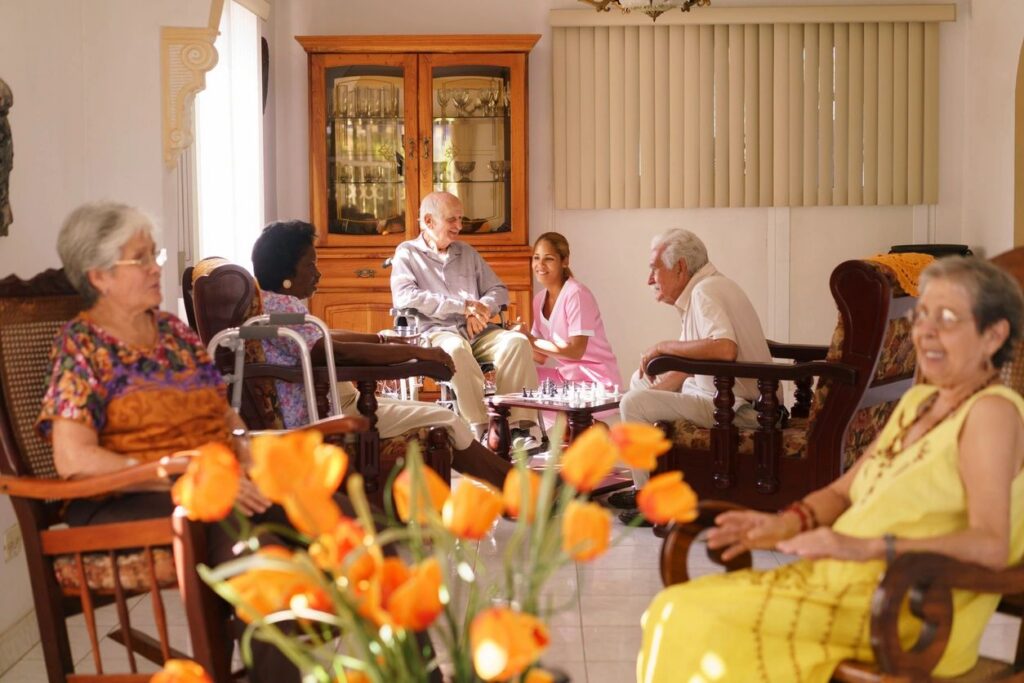
Many people who qualify for hospice never receive it, or receive it only in the last few days of life. The care was available. Something got in the way. Most of those barriers are understandable, and most of them can be worked through once they are named.

Myths about what hospice is
Misinformation is the largest barrier. Three myths come up again and again.
“Hospice is only for the last few days.” Hospice is built for a prognosis of six months or less. Families who enroll with months left get the full value of it: symptoms controlled early, equipment in place before a crisis, a team the patient knows. Enrolling in the final week still helps, but it leaves most of the benefit unused.
“Hospice means giving up.” Choosing hospice means stopping treatment aimed at curing the illness. It does not mean stopping care. Visits, medications for comfort, equipment, and round-the-clock phone access replace hospital trips. Many families describe it as changing what they are hoping for: fewer bad days, more time at home, a death that is not an emergency.
“Hospice is a place you go.” Hospice is a kind of care, not a building. At Shining Light, care is provided where the patient lives: at home, in an assisted living community, or in a nursing facility. There is no facility to move into and no tour to take.
Family and cultural concerns
In many families, caring for a dying parent at home without outside help is a point of honor. Bringing in a hospice team can feel like failing that duty. It helps to know what the team actually does. Nurses and aides support the family’s care; they do not replace it. The family still leads. The team handles medication, equipment, bathing support, and the 2 a.m. questions.
Faith and culture shape end-of-life decisions too. Some traditions favor every available medical intervention; others emphasize acceptance. A hospice chaplain and social worker are part of the team precisely for these conversations, and care plans are built around the family’s beliefs, not against them.
There is also simple reluctance to say the words. Adult children avoid raising hospice because it feels like giving up on a parent. Parents avoid it because they do not want to worry their children. A doctor, nurse, or social worker can open the conversation when the family cannot.
Cost worries
Fear of the bill stops many families from even calling. The facts are reassuring. Hospice is covered by Medicare, Medicaid, and most private insurance. Under Medicare, nearly everything tied to the terminal illness is covered, including visits, medications for symptom control, and equipment. Two small exceptions: a copay of up to $5 on prescriptions, and 5 percent coinsurance on inpatient respite stays of up to five days. Room and board in a facility is not part of the Medicare hospice benefit. We check coverage before care starts, so a family hears the actual numbers first.
Waiting for the doctor to bring it up
Physicians are trained to treat, and many wait longer than they should before mentioning hospice. Some overestimate how much time a patient has. Others do not want to deliver hard news. Families can ask directly: “If this illness follows its course, are we talking about months?” and “Would hospice be appropriate now?” A referral can come from the family as well as the doctor. One phone call starts the eligibility review.
Fear of losing control
Some patients worry that hospice means strangers, schedules, and decisions made for them. The opposite is closer to the truth. The patient sets the goals of the care plan and can change them. Hospice can also be revoked at any time if a patient decides to return to curative treatment, and re-elected later if they qualify again. Nothing about enrolling is permanent.
Every barrier above has the same weak point: it dissolves with a conversation. If you are unsure whether hospice fits your family’s situation, call Shining Light Hospice at 702-906-0044. Our phones are answered around the clock, and asking questions commits you to nothing.