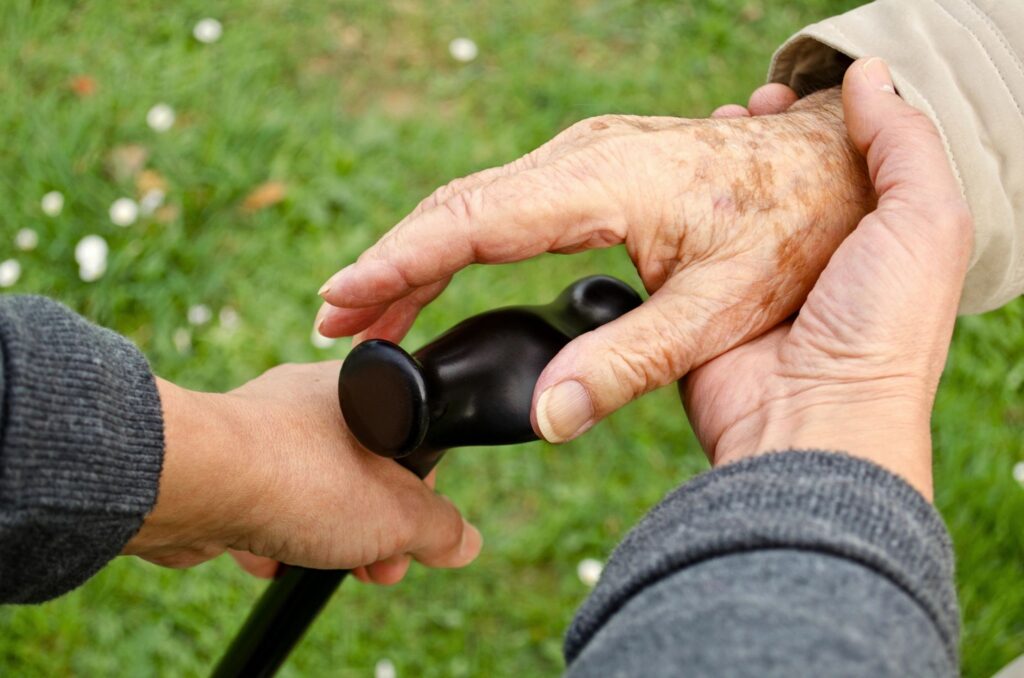


When Food Becomes Love describes a deeply emotional moment many families experience when a loved one enters hospice care. Appetite decline is one of the most visible and often most distressing changes that happen near the end of life, and although it is medically natural and expected, it can feel frightening, confusing, and heartbreaking for those who are watching it unfold. Families may find themselves wondering why a favorite dish brings no interest, why only a few bites are taken, or why meals that once brought connection and routine now go untouched. These changes often create a sense of helplessness, guilt, and grief, especially when food has always been a symbol of love, culture, and togetherness. Understanding why appetite declines and learning how to support a loved one during this stage can bring comfort, clarity, and reassurance during a very tender time.
Understanding Why Appetite Declines Near the End of Life
As the body approaches the final stage of life, it undergoes a series of natural changes that cause a steady decline in the desire to eat. The metabolism slows significantly because the body no longer needs the same amount of energy it once did for movement, healing, digestion, or daily activities. Digestion also becomes less efficient, and eating may feel uncomfortable or tiring, which naturally reduces the desire for food. Many patients experience increased sleep, less physical activity, and slower digestive movements, all of which decrease caloric needs even further. Thirst also often decreases because the body’s internal signals shift, and the brain no longer triggers the same sensation of needing fluids. The National Institute on Aging* explains that these changes are not harmful in this stage of life, nor do they cause hunger pain or suffering. Instead, they reflect the body’s gradual, peaceful transition and its reduced need for nutrition and hydration. Recognizing these changes as part of the natural process, rather than a crisis or emergency, helps families understand that their loved one is not starving but simply changing in a way that is expected at the end of life.

When Food Becomes Love
For many families, food has always represented connection, affection, tradition, and care. Preparing meals for a loved one, offering something warm and nourishing, or bringing a favorite treat is often seen as an act of love. When a loved one in hospice begins to refuse these offerings, it can feel confusing and deeply emotional because the act of feeding someone carries meaning far beyond nutrition. Families may interpret the refusal of food as a sign of giving up, or they may feel guilty, responsible, or even pressured to find something their loved one will accept. Cultural expectations can add another layer of complexity, especially in traditions where feeding someone is an essential expression of care. When food becomes love, a decrease in eating may feel like a loss of connection, even though the patient is simply following the body’s natural process. Understanding this emotional impact helps families shift their focus away from trying to control eating and instead toward offering comfort, companionship, and presence in new and meaningful ways.
The Hospice Team’s Role in Supporting Appetite Changes
Hospice teams play a central role in guiding families through the emotional and physical realities of declining appetite. Hospice nurses explain what is happening in the body in clear, compassionate terms, helping families understand that their loved one’s diminished appetite is natural and not a sign of suffering. They monitor swallowing, watch for signs of discomfort, and offer guidance on what foods or drinks might be safe or soothing. Home health aides provide hands-on support, such as helping with small bites, preparing soft foods, or offering gentle assistance during mealtime if eating still brings comfort. Social workers help families navigate the emotional burden that often comes with appetite changes, including guilt, cultural expectations, or disagreements among family members about feeding. Chaplains offer spiritual support, helping families find peace and meaning as they witness this stage of life. Through this team approach, hospice supports not only the patient’s comfort but also the family’s emotional well-being, ensuring they never feel alone or unsure about what is happening.

Emotional Guidance for Families
Watching a loved one eat less can create a wave of emotions that feel heavy, confusing, and overwhelming. Many caregivers struggle with guilt, fearing that they are not doing enough or that they should encourage eating more strongly. Others feel helpless, wishing for a way to reverse the process. The reality is that appetite loss is a natural part of the body’s decline and does not indicate that the patient is hungry, uncomfortable, or giving up. Families can reduce emotional stress by shifting from a mindset of feeding to one of comforting, which means accepting the patient’s cues and focusing on what brings ease rather than what fills a plate. Communicating gently, such as offering small tastes instead of full meals or saying “Let me know if anything sounds good” instead of urging them to eat, can help create a peaceful and supportive environment. It is also helpful to release common myths, such as the belief that more food will help a loved one live longer or grow stronger, because the body at this stage does not respond to food the same way it once did. Understanding these truths allows caregivers to support their loved one with confidence, compassion, and emotional clarity.
Comfort-Focused Eating
In the later stages of life, eating becomes less about providing energy and more about offering comfort or pleasure. Many hospice patients prefer very small portions, soft textures, or simple flavors. A single spoonful of pudding, a small bite of mashed potatoes, a sip of warm broth, or even a taste of ice cream can bring comfort without overwhelming the digestive system. The goal is not to complete a meal but to offer something enjoyable if the patient desires it. Safety remains important, which is why hospice staff monitor for coughing, choking, or signs of difficulty swallowing. If eating begins to cause discomfort, the hospice team may recommend alternatives like flavored ice chips, gentle mouth care, or simply soothing drinks that offer comfort without requiring effort. By focusing on comfort instead of calories, families can support their loved one in a way that respects the body’s natural changes while still offering a sense of care and connection.
Mealtime as Connection
Even when a patient no longer eats, mealtime can remain a time of deep connection. Families can use this moment to share memories, talk about favorite dishes from earlier years, or reflect on meaningful traditions that were built around food. Preparing a familiar dessert or cooking a cherished recipe can become a way to honor the patient’s life and create a comforting atmosphere, even if the patient only tastes a small bite or simply enjoys the aroma. Sitting together during mealtime, holding hands, or sharing quiet moments can bring comfort and emotional closeness. Families may also choose to create something lasting, such as a recipe collection filled with stories and cherished dishes that can be passed down through generations. These moments help transform mealtime from a focus on eating to a focus on connection, presence, and love.

When to Ask the Hospice Team for Help
Families should always feel comfortable asking for help, reassurance, or guidance about appetite changes. Hospice teams are available day and night to answer questions, address concerns, and help families understand what is normal and what might require attention. If a patient begins coughing or choking while eating, appears uncomfortable after small bites, or shows signs of difficulty swallowing, the hospice nurse can evaluate the situation and offer safe alternatives. Families can also reach out for emotional support if they feel guilty, overwhelmed, or unsure about how to respond to appetite changes. The hospice team’s purpose is to ensure that both the patient and the family feel supported, informed, and reassured during this stage.
Final Words
The journey of When Food Becomes Love reflects the emotional shift that happens when a loved one’s appetite naturally decreases during hospice care. This change does not reflect suffering or a loss of will but is a peaceful and expected part of the body’s transition. Families can find comfort in knowing that feeding is no longer the most important form of care. Instead, love is expressed through presence, gentle conversation, meaningful moments, and supportive companionship. As eating becomes less important, the emotional nourishment provided by family becomes the true source of comfort. Hospice teams stand beside families throughout this process, offering guidance, understanding, and compassion every step of the way.