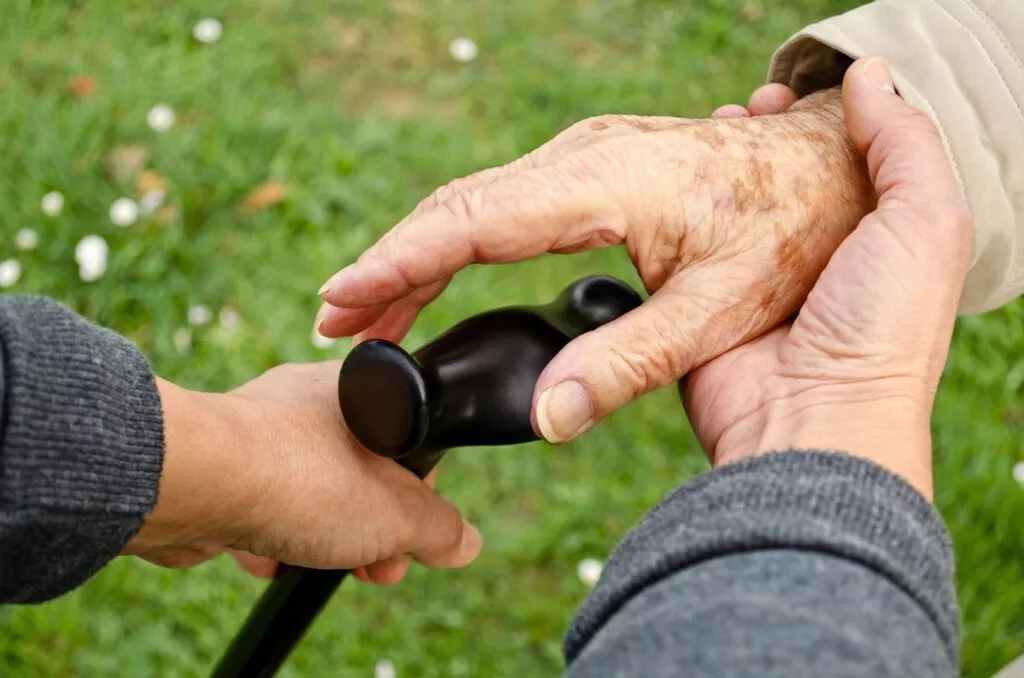


When a loved one is admitted to hospice care, the first few days can feel overwhelming, emotional, and full of questions. Navigating the first 72 hours of home hospice is about more than just getting medical care; it’s about setting the tone for comfort, compassion, and support.
During this time, families meet the hospice care team, receive medical equipment, and begin adjusting to new routines. Understanding what to expect can help reduce anxiety and create a smoother transition for everyone involved.
The First Visit and Initial Assessment
On day one, a hospice nurse or admission coordinator will typically arrive at your home to begin the process. This visit may take one to three hours and will include:
- Reviewing and signing paperwork for consent, services, and insurance.
- Conducting a patient evaluation to understand current symptoms, medical history, and needs.
- Discussing the plan of care, which outlines medical treatment, emotional support, and goals.
- Answering questions from family members about what hospice care involves.
The nurse will also provide contact information, including how to reach hospice staff 24/7 for urgent concerns. This is the first step in building a relationship of trust with your care team.
Home Setup and Equipment Delivery
Within the first 24 hours, you can expect delivery of any necessary medical equipment and supplies. These items are tailored to the patient’s needs and may include:
- Hospital bed with adjustable settings.
- Oxygen concentrator or portable oxygen tanks.
- Wheelchair or walker.
- Overbed table for meals and medication organization.
- Pressure-relief mattress to prevent bedsores.

The hospice equipment team will set up each item and ensure the family knows how to operate it safely. They may also assess the home for safety considerations, such as removing trip hazards or rearranging furniture for easier mobility.
Day-by-Day Guide for the First 72 Hours
Day 1: Admission and Assessment
- Meet the hospice nurse and other initial team members.
- Complete admission forms and patient evaluation.
- Receive emergency contact information.
- Equipment orders placed and scheduled for delivery.
- Discuss initial symptom relief measures.
Day 2: Medication Setup and Routine Establishment
- Delivery of prescribed medications and comfort pack.
- Instruction on proper storage and dosage schedules.
- Meet additional team members such as the hospice aide or social worker.
- Establish preferred visit times for care team members.
- Begin regular communication plan (calls, visits, updates).
Day 3: Comfort Strategies and Emotional Support
- Nurse follow-up visit to adjust medications or care plan as needed.
- Introduction to chaplain or spiritual care provider (if desired).
- Social worker check-in to discuss emotional and practical support for family.
- Begin settling into a daily routine for care, meals, and rest.
The Hospice Care Team
One of the greatest strengths of home hospice care is the collaborative team approach. During the first 72 hours, you may meet:
- Hospice Nurse – Oversees medical care, manages symptoms, and provides education.
- Hospice Aide – Assists with bathing, grooming, and personal care.
- Social Worker – Offers counseling, helps with paperwork, and connects families with resources.
- Chaplain – Provides spiritual and emotional support, respecting all beliefs.
- Volunteers – Offer companionship, light errands, or respite care for family caregivers.
The team works together to ensure the patient’s comfort while supporting the family’s emotional needs.
Medication Management & Comfort Packs
Hospice care includes medications for symptom control, such as pain, anxiety, shortness of breath, or nausea. Most agencies provide a comfort pack: a sealed set of medications to have on hand for emergencies.

What’s in a comfort pack?
- Pain medication (often liquid for easier swallowing).
- Anti-anxiety medication.
- Medication for nausea or vomiting.
- Medication to ease breathing difficulties.
The nurse will explain each medication’s purpose, when to use it, and any potential side effects. Keeping these medications in one secure location ensures quick access when needed.
Family Roles and Communication
Families are central to home hospice care. In the first 72 hours, you’ll want to:
- Identify a primary contact person for hospice communication.
- Keep a care log of symptoms, medications, and questions.
- Be honest about the patient’s comfort level hospice can only adjust care if they know how the patient is feeling.
- Ask for clarification anytime you’re unsure about instructions.
Remember, hospice is not just for the patient it’s for the entire family’s well-being.
Addressing Concerns & Emergencies
During the first days, you may feel unsure about what is “normal” and what needs immediate attention. Contact hospice right away if you notice:
- Sudden increase in pain or distress.
- Difficulty breathing not relieved by prescribed methods.
- Signs of infection, such as fever or swelling.
- Unusual changes in consciousness.
Hospice teams are available 24/7 for emergencies, including after-hours and weekends. They can guide you over the phone or send a nurse to your home if needed.
Resources
You may also read:
These guides provide additional support for specific challenges you may encounter beyond the first 72 hours.
Conclusion
The first 72 hours of home hospice care set the stage for the journey ahead. By understanding what to expect meeting your care team, receiving equipment, learning about medications, and building communication you can focus on what matters most: ensuring your loved one’s comfort and preserving meaningful moments together.
With hospice, you are never alone. Support, guidance, and compassionate care are only a phone call away.